
Comprehensive Overview of Valve Manufacturing Processes
Table of Contents
Behind the Scenes: Step-by-Step Valve Manufacturing #
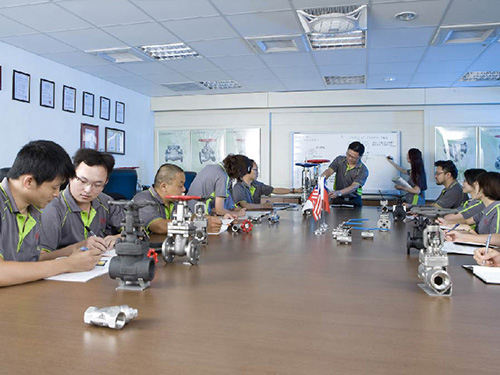
At NICO VALVES CORP., our commitment to quality is reflected in every stage of our manufacturing process. Below is an in-depth look at the key steps that ensure our valves meet the highest standards of performance and reliability.
1. Drawing Design #
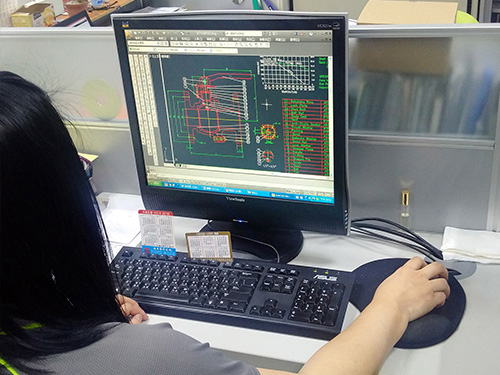
The process begins with meticulous drawing design, where our engineering team develops precise technical drawings tailored to customer requirements and industry standards.
2. Pilot Casting #
Pilot casting is conducted to validate the design and ensure the casting process will yield components with the desired properties and dimensions.
3. Raw Material Control #
Strict raw material control is implemented to guarantee that only high-quality materials are used, ensuring durability and performance in the final product.
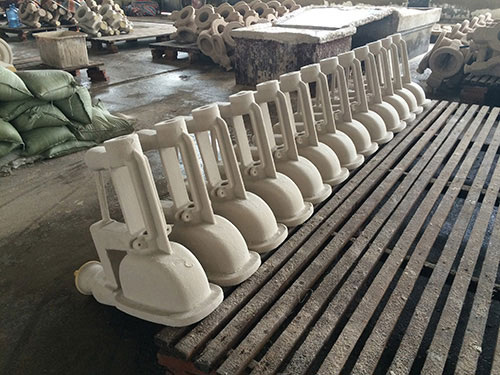
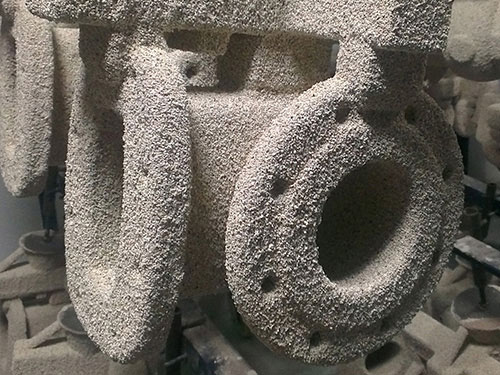
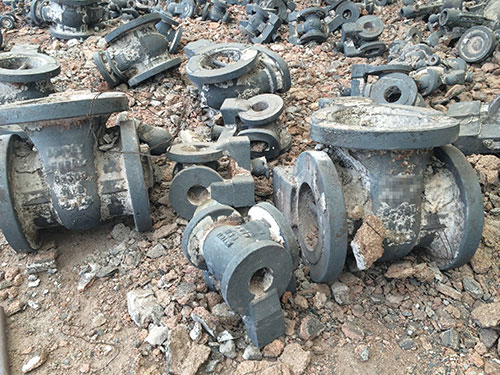
4. Casting #
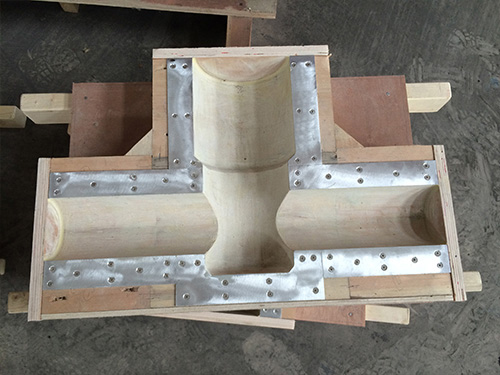
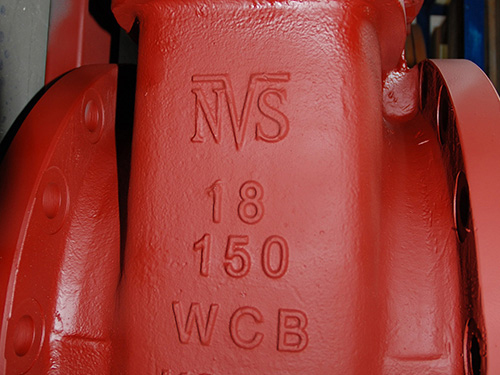
The casting process transforms raw materials into the basic shapes required for valve components, using advanced techniques to achieve structural integrity and dimensional accuracy.
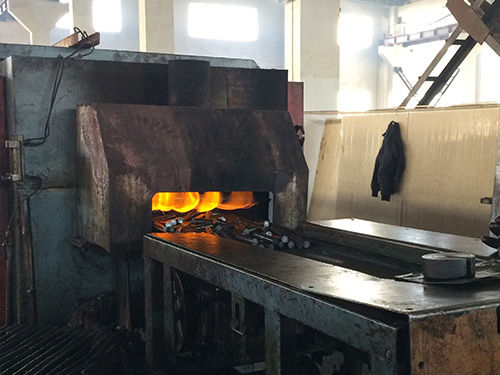
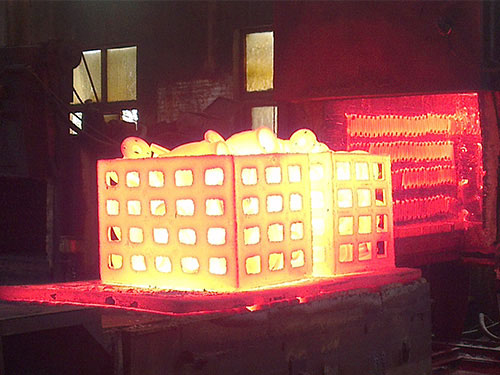
5. Heat Treatment #
Heat treatment is applied to enhance the mechanical properties of the cast components, such as strength and toughness, preparing them for further processing.
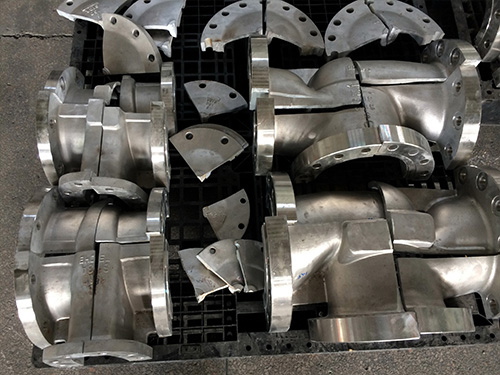
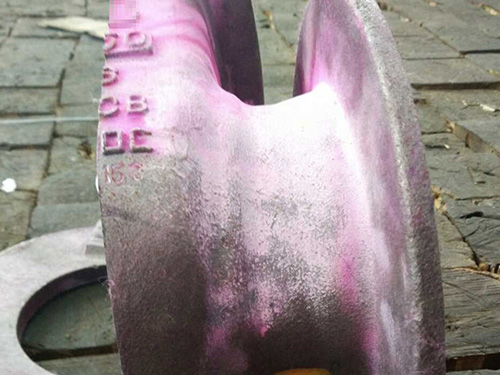
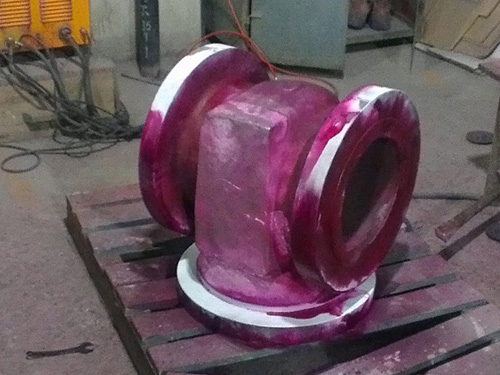
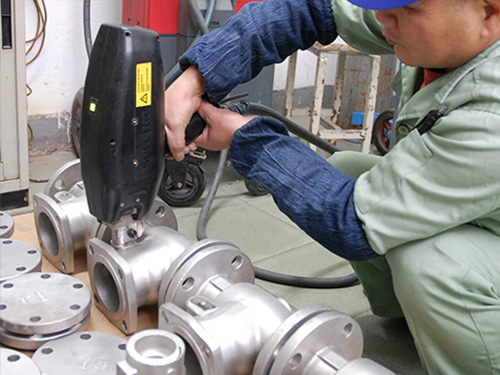
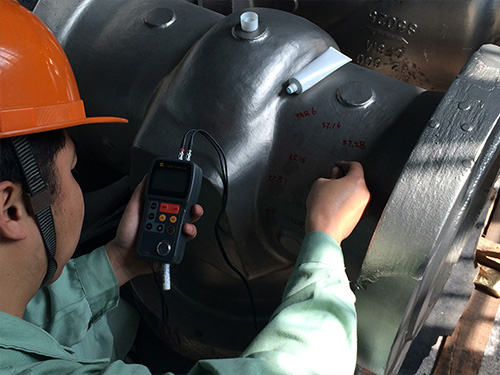
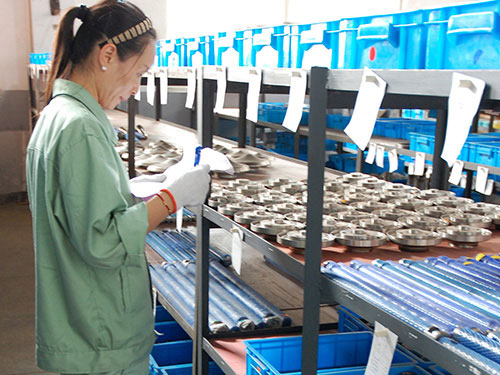
6. Parts Inspection #
Comprehensive inspection of all parts is carried out to detect any defects or inconsistencies, ensuring that only components meeting our quality criteria proceed to the next stage.
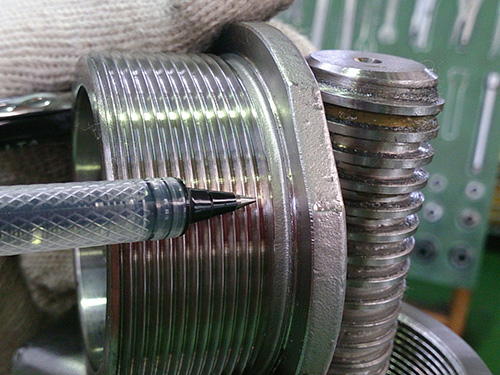
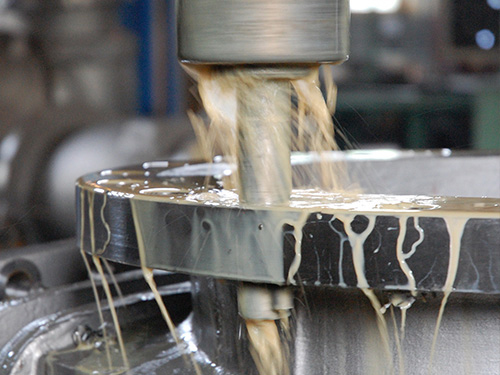
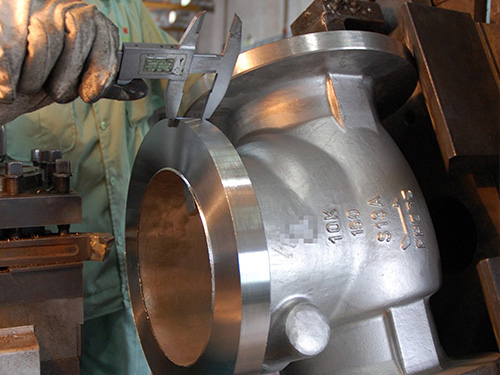
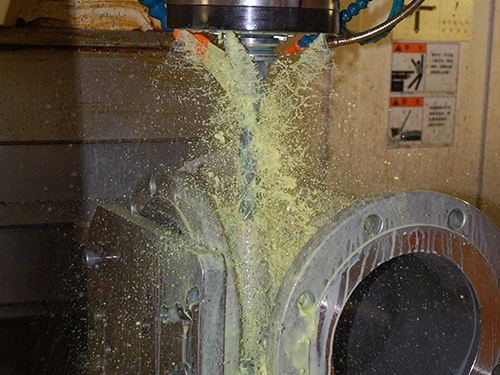
7. Machining #
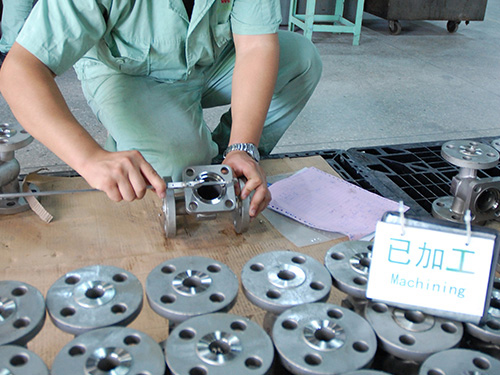
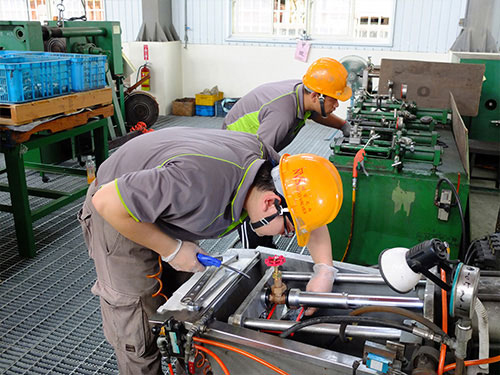
Precision machining refines the components to their final dimensions and surface finishes, utilizing state-of-the-art equipment for optimal accuracy.
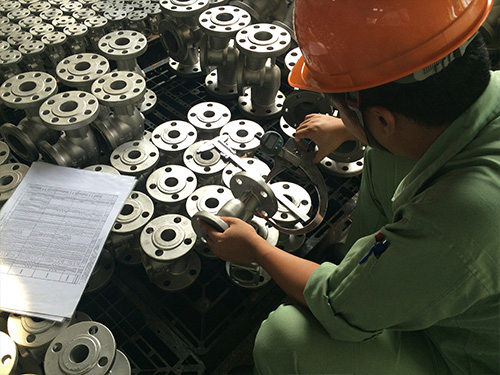
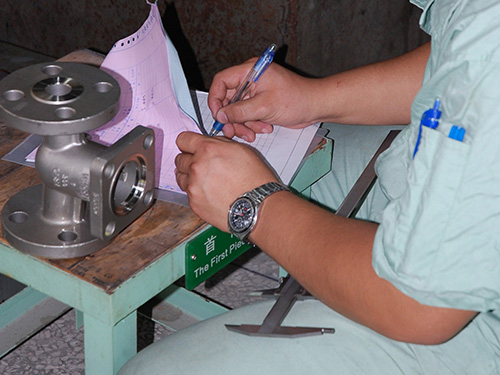
- First Piece Inspection: The initial machined piece is thoroughly checked to confirm adherence to specifications.
- In-Process Inspection: Ongoing inspections during machining maintain consistent quality.
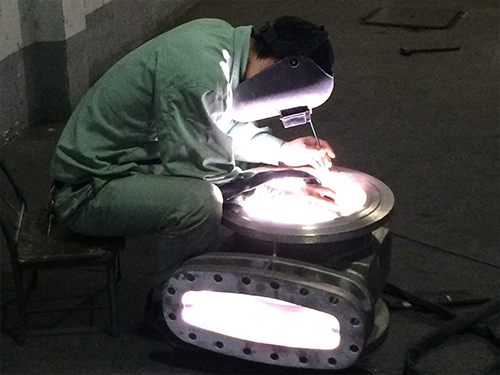
- Welding Hard Facing: Where required, hard facing is applied to enhance wear resistance.
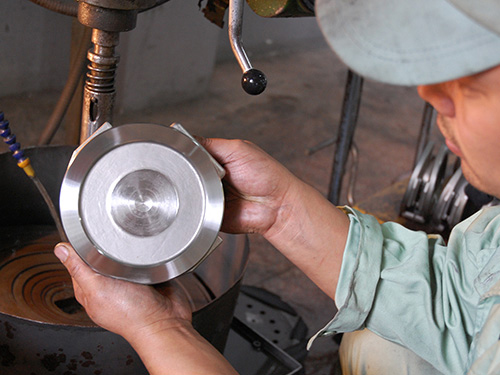
8. Lapping #
Lapping is performed to achieve the required surface flatness and smoothness, which is critical for valve sealing performance.
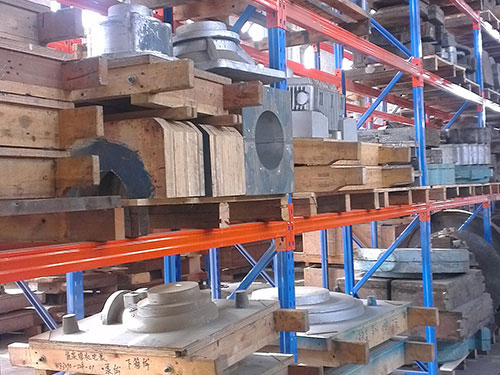
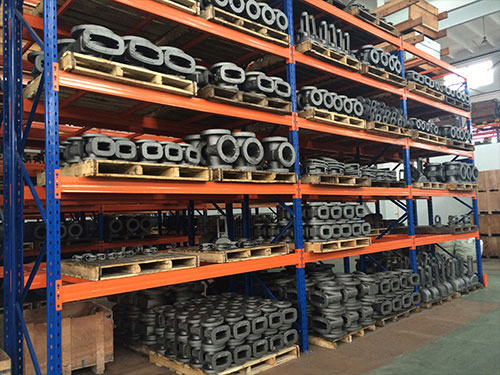
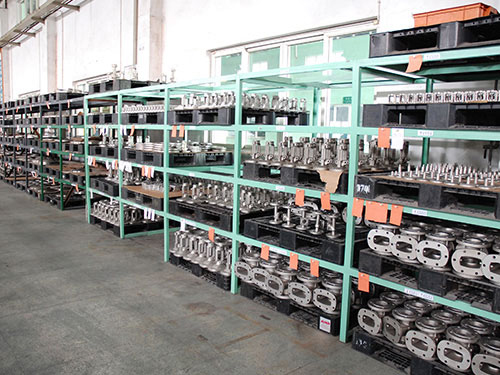
- Casting Stock Control: Inventory management ensures the availability of castings for production.
- Parts Stock Control: Finished parts are systematically organized for efficient assembly.
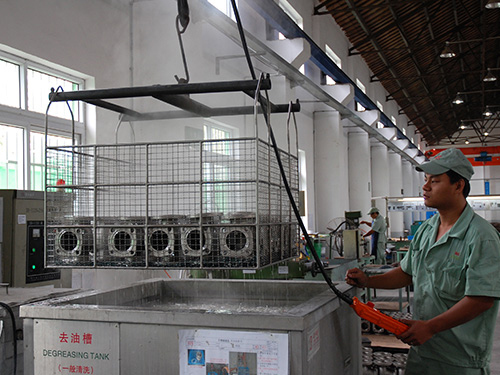
9. Cleaning #
All components undergo thorough cleaning to remove contaminants and prepare them for assembly.
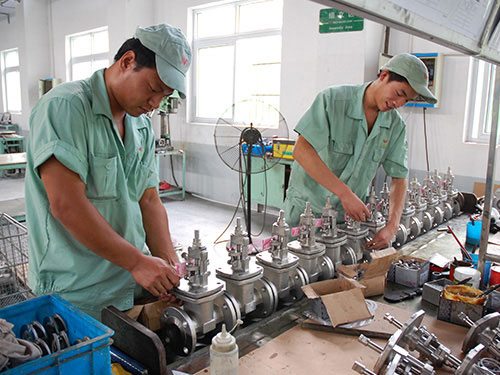
10. Assembly #
Skilled technicians assemble the cleaned components into complete valve units, following precise procedures to ensure proper fit and function.
11. Pressure Test #
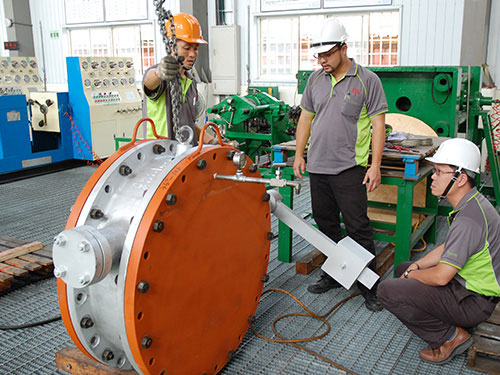
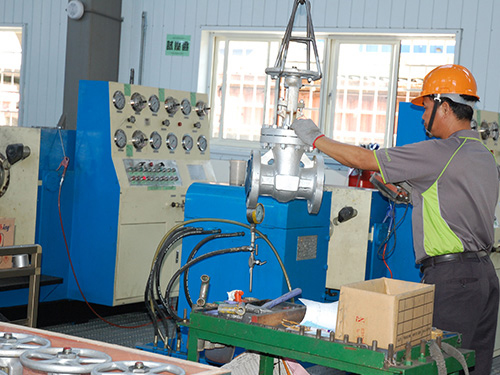
Each assembled valve is subjected to rigorous pressure testing to verify its integrity and performance under operating conditions.
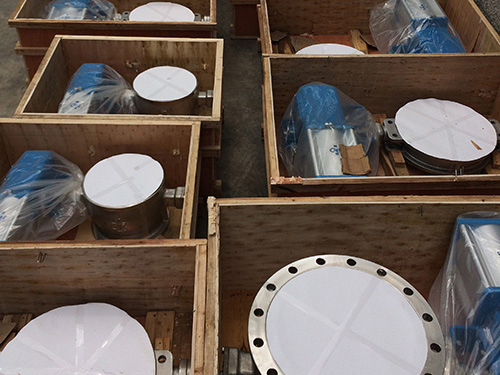
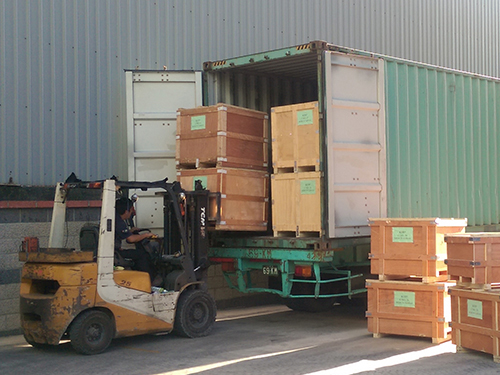
12. Packing & Shipment #
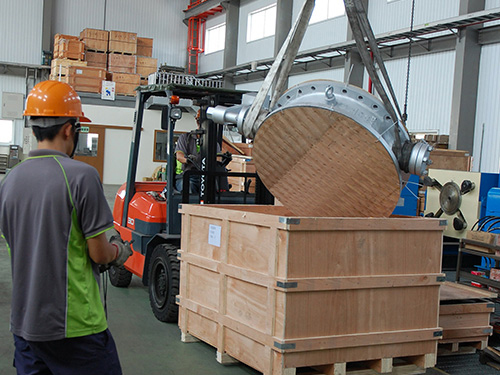
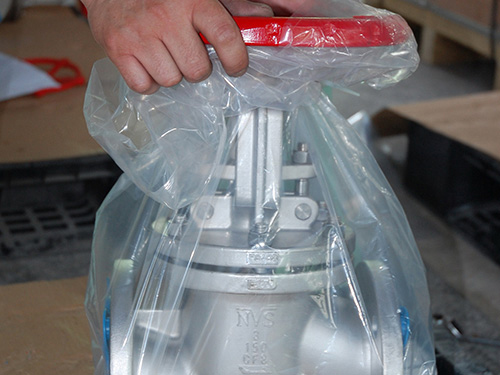
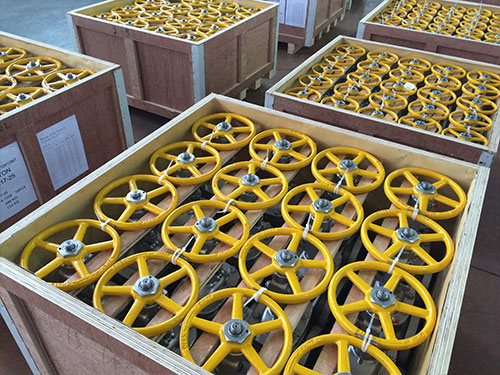
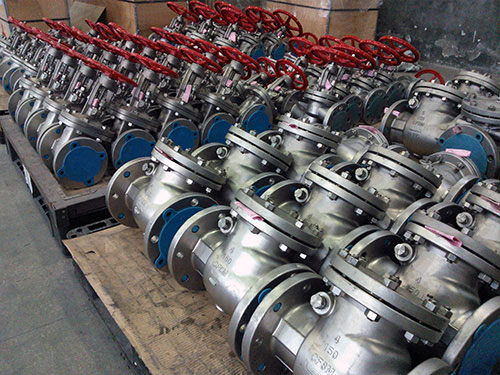
Valves that pass all inspections and tests are carefully packed to prevent damage during transit and prepared for shipment to customers worldwide.
There are no articles to list here yet.